Prairierestoration.
Making room for native grasses, wildflowers, and the life they support. At Acton Nature Center, caring for the prairie is ongoing work.
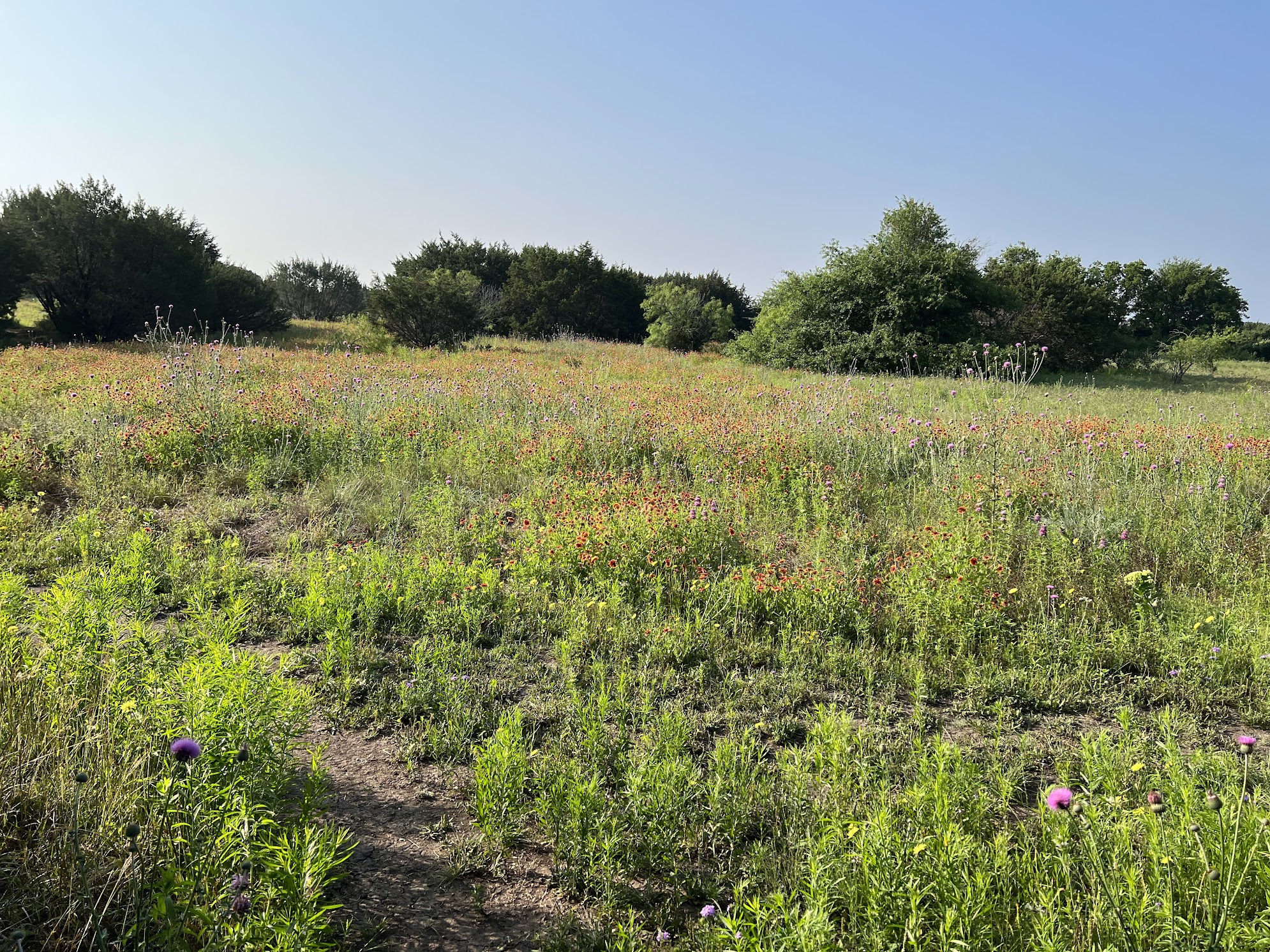
A place for prairie.
Restoring tallgrass prairie means making room for native grasses and wildflowers. Some areas need fewer trees. Other areas are the right home for native junipers, often called cedars.
- Why remove some cedars?
- The trees commonly called cedars here are junipers. Fire suppression and overgrazing have helped them spread into grasslands. As woody cover increases, it competes with native grasses and other prairie plants for light, water, and space.
- Native trees have a place.
- Restoration does not mean removing every juniper. Native junipers remain in suitable habitats, including the rocky limestone hills and slopes with which they have long been associated. ANC’s approach is selective, guided by the habitat being restored.
Room to grow again.
Removing some cedars and prickly pear gives native grasses room to grow back. This work supports a more diverse plant community and helps conserve water by reducing competition from encroaching woody growth.
Removing woody vegetation also reduces fuel and helps establish firebreaks. Each part of the work serves the larger goal: a healthy prairie alongside the preserve’s other native habitats.
Meet the people caring for ANC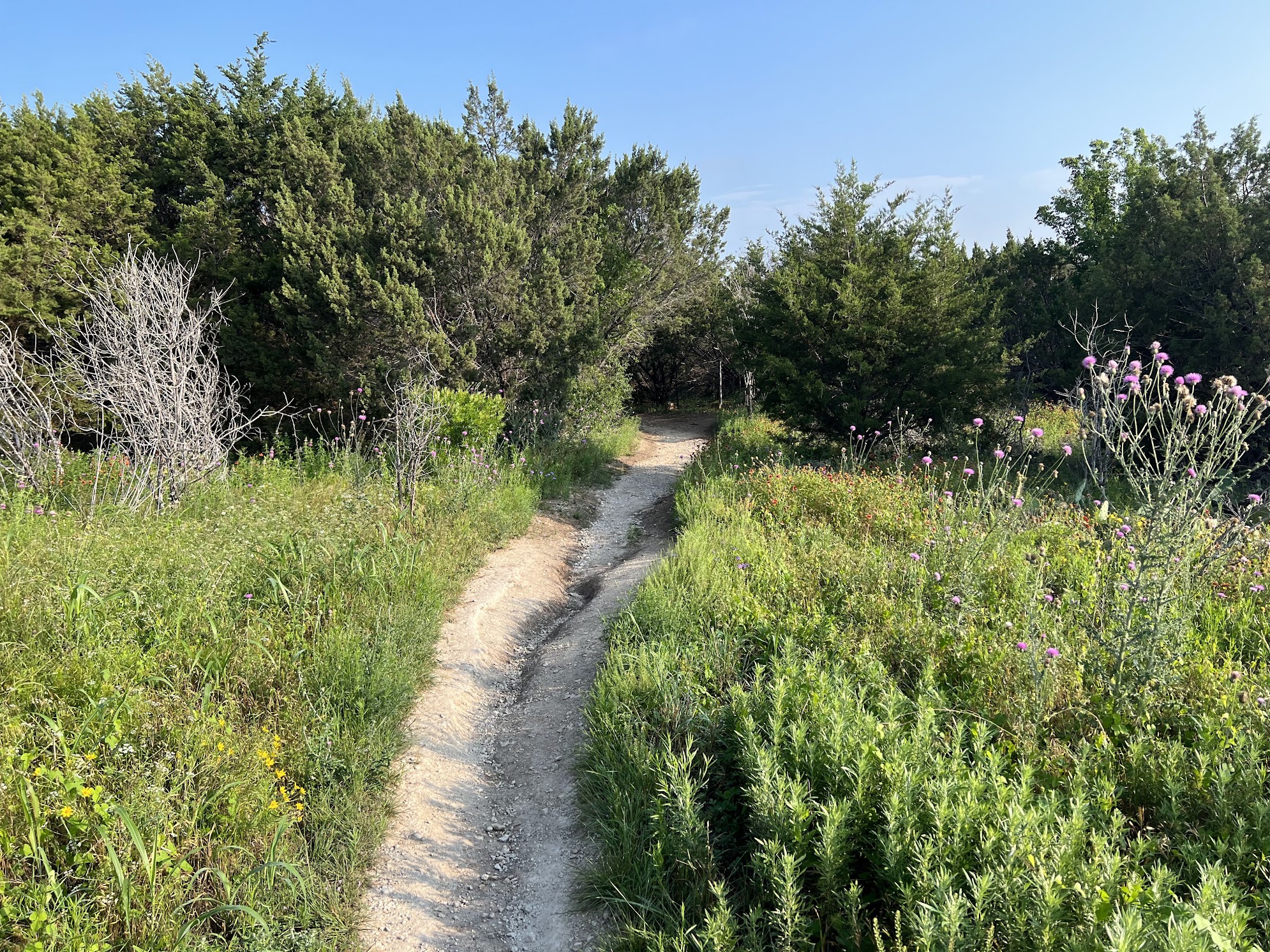
Fire has a role.
Periodic fire helped shape grasslands, through both lightning and Indigenous burning practices. It limited woody growth and helped maintain open prairie. Without that disturbance, trees and shrubs can gradually change the habitat.
ANC may use prescribed burns from time to time as part of its restoration work. These are land-management activities. Visitor campfires remain prohibited under the center’s existing rules.
Watch the prairie change.
Walk the trails, notice what is growing, and discover how caring for the land creates opportunities to learn.
Plan your visit